

"Cash Flow Is Not a Contractor Problem - It's a Project Health Indicator"
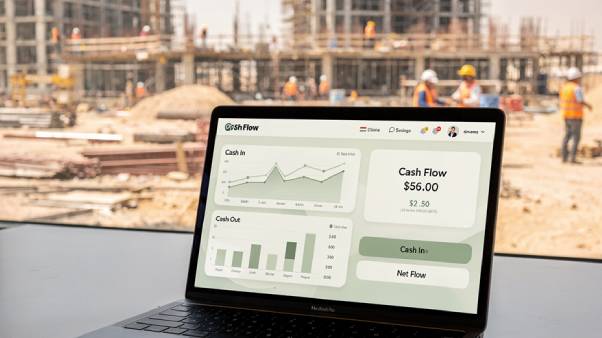
In the GCC construction market, we often hear this line:
"The contractor is facing cash flow issues."
And immediately, the issue gets treated as a contractor weakness.
But in most live projects, that is not the full story.
Cash flow stress is usually a project health indicator. Like fever in the human body - the fever isn't the disease, it's the signal.
Cash Flow Is the Project's Heartbeat
When money stops moving smoothly, the project doesn't just "slow down financially." It slows down operationally.
You start seeing the same pattern:
- Subcontractors reduce manpower or stop prioritising the site
- Suppliers tighten credit and delay deliveries
- Productivity drops quietly (then becomes visible as delays)
- Quality and safety start getting compromised under pressure
- Claims and disputes become "the new normal"
By the time leadership calls it a "contractor issue," the project is already bleeding.
Why This Happens So Often in GCC Projects
In many UAE/KSA projects, cash flow disruption is linked to common system behaviours:
- Certification delays - valuations become debates, not processes
- Unresolved variations - work proceeds, but approval doesn't
- Retention pressure - plus slow release cycles
- Unclear scope boundaries - especially in fast-track design development
- Late commercial decisions - issues get parked until they become disputes
None of these are purely contractor-created. They are project governance issues.
A Typical GCC Story: How It Escalates
Let me walk you through a pattern I've seen too many times.
The Setup:
Mixed-use development in Dubai. AED 850M contract value. Experienced Tier 1 contractor. Fast-track programme with design packages released progressively.
Month 4:
Contractor raises concerns about slow variation approvals. A few design changes have been instructed but not yet valued. Not urgent - "we'll sort it."
Month 6:
Payment Application #6 includes AED 12M of works on account (variations not yet approved). The Employer's Rep certifies conservatively: AED 6M. The contractor's now carrying AED 6M of unfunded work. Cash flow tightens.
Month 8:
Two subcontractors (MEP and facade) start slowing down. They're owed money by the main contractor, who's now 45 days behind on subbie payments because interim certificates aren't covering actual progress. Site productivity drops. Programme shows early warning signs.
Month 10:
Facade subcontractor stops work. Main contractor threatens EOT claim. Employer pushes back: "You signed a fixed price contract - manage your cash." Relationships deteriorate.
Month 14:
The project is 8 weeks behind programme. The contractor submits a AED 35M claim (prolongation + disruption + finance costs). The Employer counterclaims for delay damages. Legal teams get involved.
What went wrong?
The Employer saw cash flow as the contractor's problem. The warning signs were there at Month 6, but by the time anyone acted, it was already a dispute.
In other words, the project pays later - with interest.
Early Warning Signs (Project Health Indicators)
If you want a simple way to diagnose project health, watch these:
- Certification date vs actual payment date - are you drifting from agreed timelines?
- Pending variations value vs certified variations value - is the backlog growing?
- Subcontractor payment status - are they being paid on time by the main contractor?
- Material supply behaviour - credit tightening or delivery delays are signals
- Contractor resourcing trend - steady → reducing → critical
- "On account" items inflating in payment applications - contractor including work they can't properly evidence yet
- Quality issues creeping in - corners being cut to protect margin under cash pressure
When these indicators weaken, the project is telling you something.
What Healthy Projects Do Differently
Healthy projects don't "fight" cash flow problems at the end. They build systems that prevent them:
- Clear valuation rules and timelines - and they're followed consistently
- Weekly review of variation status - not monthly surprises
- Early agreement on major changes - before work runs too far ahead
- Transparent cash flow forecasting - tied to programme milestones
- Commercial decisions made while issues are still small - not when they're legal
- Payment certificates issued on time, every time - predictability matters more than perfection
- Regular commercial meetings - QS, contractor, and Employer's Rep aligned on what's valued and what's pending
This is not about being generous to contractors. This is about protecting time, cost, quality, and relationships.
Where the Quantity Surveyor Makes the Difference
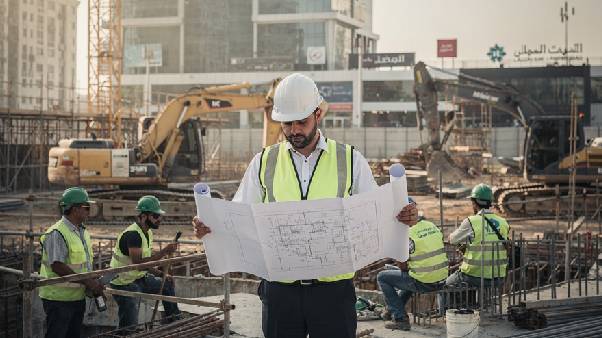
A QS should not only report the numbers. A QS should interpret what the numbers are saying.
At TC Consultancy, we look at cash flow as a risk signal:
- Where is the pressure building?
- What will it trigger next (delay, claims, quality issues)?
- What decision today prevents a bigger loss later?
Because controlling cost is not just about reducing spending. It is about preventing commercial instability.
Final Thought

When a contractor says "cash flow is tight," the wrong question is:
"Why can't they manage their finances?"
A better question is:
"What is the project telling us - and what do we need to fix?"
Because in construction, cash flow is not just money moving. It's information.
And ignoring that signal is one of the most expensive mistakes a project can make.
If you're seeing these signs on your project - slow approvals, payment disputes, subcontractor stress - you need clarity early, not crisis management later.
This document is intended solely for the informational purposes of those concerned and should not be relied upon as expert advice in any circumstance without consulting an expert professional. Reproduction or translation of this information is not permitted without explicit written consent from www.tccons.ae..
For additional details, please reach out to info@tccons.ae